250 Years of Hypocrisy and of Perfection

Robert Rauschenberg, Jasper - Studio, N.Y.C, #8, 1958
I’m sitting in my dining room this morning, a small demitasse of espresso nearby. My French windows are open, the sound of traffic passing by, an amazing cool breeze drifting gently in, so welcome after last week’s hellish temperatures. It’s my country’s 250th birthday today and am living in France. I find that ironic, and it brings a mix of feelings and observations.
It’s ironic because historically, if it weren’t for the French deciding to support our fledgling nation in 1781, who after years of anemic war waged against the behemoth British, were literally saved by France docking it’s navy off the Virginia coast and its soldiers joining our patriots to trap the British at Yorktown and force the surrender of Cornwalis. Think of how different history could have been without them. But now as an American in Europe, it isn’t lost on me that the French have graciously allowed me to dock here. They seem to be there when we need them. And yes, I am well-aware that we have most certainly been there for them in return over the centuries.
Being here and looking back across the Atlantic at America gives me a very different perspective than I had when I was living there. America’s hypocrisies glow like red embers easily seen from all this way. But so do it’s perfections, like cool glowing blue pools in secret grottos. Let me tell you who reminds me constantly of America’s siren call: the French. Every time I get asked why I live here in that way they do. Which I always hear as, “I would have never left if I were you. In fact, I would trade with you today and would live there, if only I could.” Each time that happens, which is all the dang time, I get a little pang of “uh-oh” in my gut.
The French perspective of America is seen through a distorted field of thick consumer mist hanging over the Atlantic. It purifies the reality of the racism, congenital competitiveness, distrust of others, and corporate homogeneity. It obliterates and obfuscates the receipts and any bottom line price tags. It removes the persistent violence, the institutional hijacking, and in the case of the Supreme Court this week, the fragility of some of the most sacred of American beliefs. What is left and what is seen by the French is opportunity. That’s what the French wish they had more of.
Through that misty distortion lens, they only see less taxes, bigger paychecks, businesses that can be started and the unimagined wealth that can be accumulated. They see Costco-sized rows of yogurt and potato chips, and drive-thru conveniences where they never have to leave the driver’s seat to get their liquor, pills, or cash withdrawals. They imagine themselves driving lifted trucks running on cheap gas. (Yes, American gas is still so cheap compared with what is paid at the pumps here.) You may have seen some of the reaction videos from Europeans visiting the US for the World Cup reacting to entire stadiums cooled by air-conditioning, insane oversized food choices, and just how good it feels to think of themselves first—not their fellow man, or the environment—for a change.

But what they don’t know is that “All men are created equal” almost died in the US this week, and may still, whereas in France, it is a stark reality of life here. Liberté, Égalité, Fraternité is bred into every institution, every way of life. But it’s also what holds people back and prevents them from experiencing unbridled capitalistic joy. Here we’re all equal, equally poor. Again, the irony of something conceptually born in America, but perfected in France, lying at the heart of what I see as the French malaise. Entrepreneurship has been bred out of the French consciousness. Competitiveness is viewed with side eye judgment. Improving yourself or your station deeply frowned upon. They’d like to be more like America, but they just can’t bring themselves to do it because it goes against everything they believe in.
In the US right now, there is an ascendance of a minority of political leaders who are eschewing centuries of constitutional precedent to adopt antebellum philosophy. Blood and soil and racially-derived claims to Americanism at the precipice of overcoming the Enlightenment-born rights of man. In the US, there is a shrinking definition of who can be American. In France, you are always French first. There is no hyphenated nationalist identities. You cannot be Tunisian-French in the same way you can be Arab-American. There is only French and if you lean too much on your heritage and display it in ways that subjugate your Frenchness you will pay the price: isolation, racism, cultural erasure. So we have our version of what’s happening in the US here in France, too. Nationalism in Europe was supposed to be suffocated in 1945, but obviously not all of the seeds were rooted out. And in the US, the “real Americans” are a vocal minority and everyone else is the “other.”
Those glowing embers of hypocrisy in the US—inhumane wealth disparity, institutional racism, prenatal competitiveness with unempathetic acceptance of zero sum outcomes, which also drive violence, environmental destruction literally driven by cars, coal, and cows accompanied by ever-shifting rationalizations, more simply put, a me-first mentality—are tempered by the refreshing waterfalls of endless opportunity, of every man for him, and now herself, of unimaginable creativity, of commercial and societal efficiencies taken so for granted that they cannot be conceived of in France, of wide open spaces, endless forests, coastlines that never end, of massive, breathtaking snowcapped mountains, and of people who would give you the coats off their backs, and donate millions of dollars to earthquake victims, war refugees, and ebola outbreaks, but might also stab you if you step wrongly onto their property. After 250 years, America is the greatest place on earth, and it is also seemingly heading for self-destruction. It is free to destroy itself. It is perfection alloyed with hypocrisy.
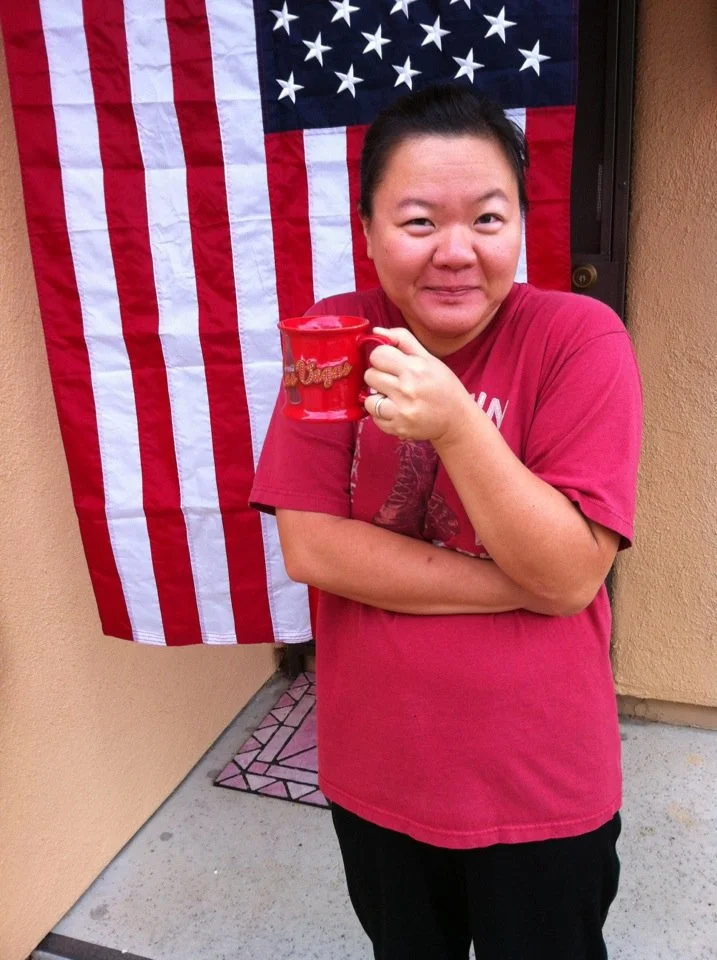
Chien-hui and I have been having discussions all week about this because of the obvious marking of the semiquincentennial anniversary today, but also because we have been watching the American Experiment on Netflix. She has been American long enough now to become interested in US history and to understand its origins. Naturally, she has come to the same conclusions that most people do once they begin to finish the 1,776 piece puzzle of our founding: why can’t we overcome the obvious hypocrisies after all of this time? My answer to her, as unsatisfactory as it is, is that we will never overcome the deficiencies of the American experiment because its flaws were conceived and institutionalized at the drafting of Articles of Confederation and then the Constitution, and immediately after that, the Amendments.
When you write, “All men are created equal,” and you do not define which men you are referring to, you’re going to have problems for the foreseeable future. When you enshrine the right to bear arms without any conception of the future of technology, you are going to create issues. When you prioritize freedom of speech above all else, but cannot comprehend that the mechanisms for speech can be owned and controlled by a small minority with self-serving agendas, or defined by abstract ideas like corporations are people and money is free speech, sharing information vital to the resolution of conflicts may prove impossible to reach its audience.
But this is also America’s greatest strength. The endless struggle is her most admirable attribute. The fact that she isn’t the same country she was in 1865, 1920, 1950, 1980, or 2025 should give everyone endless hope. Consider Dred Scott v. Sandford, Plessy v. Ferguson, Brown v. Board of Education of Topeka, or the 14th Amendment. It’s almost a miracle that the US still considers anyone who isn’t white a human being, let alone a citizen, but the country has overcome these prejudices, and has embraced rationalism in the long view. Reason will always be under attack, always, but only by the loud minority, not the rational majority. And the 6–3 decision this week (5–4 if you count descent) in Trump v. Barbara came entirely too close to passing, which would have reversed any conception of all men are created equal, but it didn’t. The fight continues and with the benefit of time and the study of history, Americans will improve and overcome and learn from their trials and errors, as they always have. One can find solace from keeping time in perspective.
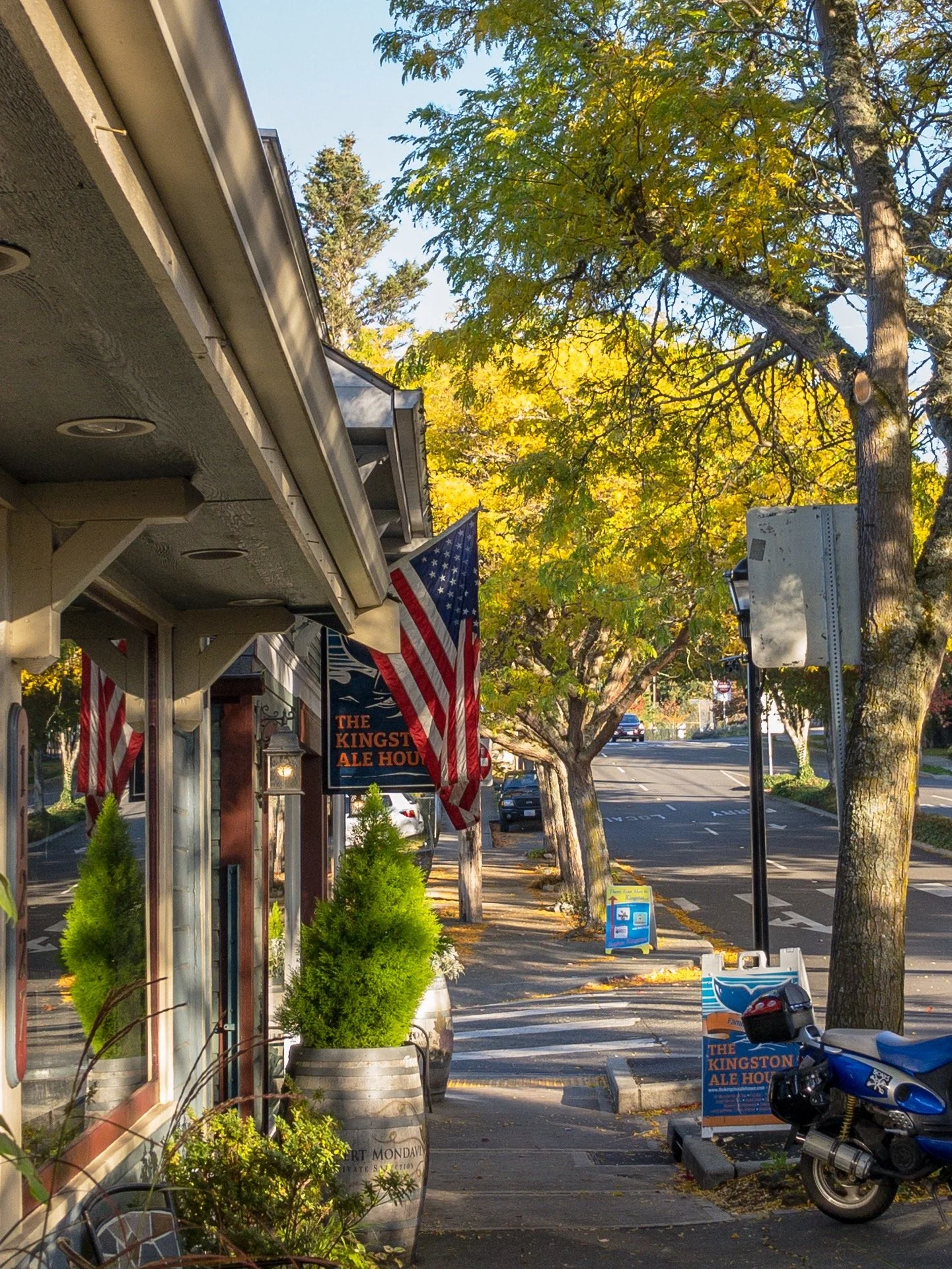
Kingston, WA
James Madison warned that the greatest threat to liberty might come not from government power, but from majorities oppressing minorities. Today we should be far more worried about minorities that have figured out how to take over our institutions and even smaller minorities who have created vast wealth and expect exceptionalism in return. I believe that at this 250th birthday, the world should be reminded that the vast majority of Americans are rational, if quieter, than those who hold the megaphones and the levers of power currently. Those handles are slippery and can never be held for long as those who hold onto them are at the mercy of the whipsaw effects of other times and future priorities.
I may live in France now, and I am thoroughly enjoying the experience, the food, the wine, the deeply entrenched sense of tradition, and the social safety net that protects everyone here. But I am even more proud to be an American than I ever was when I lived in the states. This is an entirely unpredictable result of living in another country and it’s a feeling that I didn’t expect to have when I moved here. I am proud because I know so many people are finding their voices, figuring out how to participate, remembering their place in the system and the power that comes with that, and I am jealous I am not there. Living in France is amazing, and it is also absolutely maddening. Now I also see the US with a clarity that the French just cannot. I know the opportunity and efficiency that they covet, the embers and pools, come at a much steeper price than they can understand or would be willing to pay. The price of the purest freedom requires its people to pay for it each and every day, regardless of what their bank account balance is, and ironically, no matter where they live in the world.