Time to Cut Bait
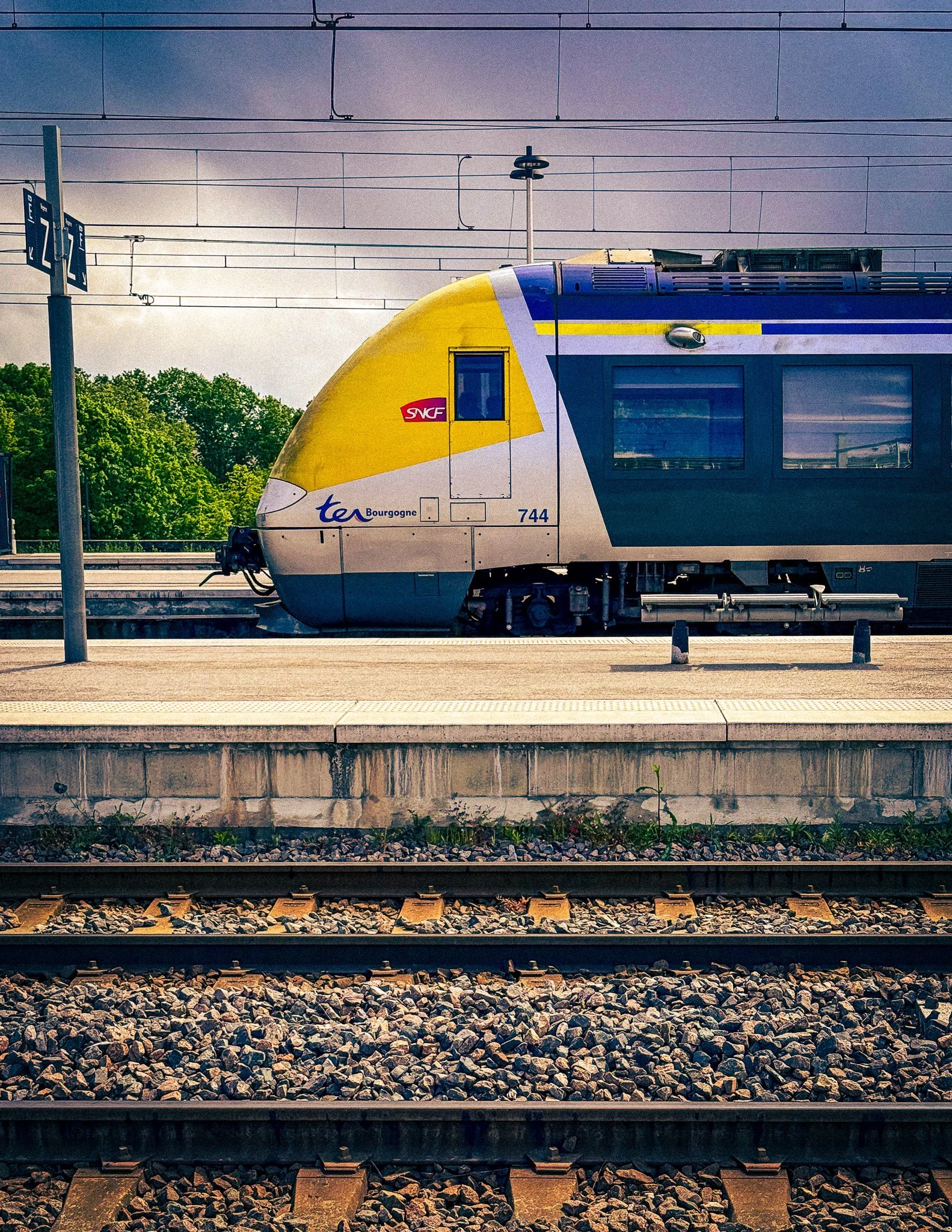
We spent a lot of time on trains this past month
I’d like to think that admitting defeat isn't giving up; it’s a strategic choice to stop wasting energy—and money—on something that isn't working. The goal is to move from a state of resistance (wishing things were different) to acceptance (understanding where you currently stand) allowing you to redirect your focus toward new, perhaps more attainable goals. Making this transition has always been difficult for me. I always feel very bad about myself when I don’t finish the things I start. Failing at anything has become my worst fear and that is interesting considering how much I fail at things. I try not to make big decisions without doing a lot of research, so when things don’t work as planned, it can be a devastating reminder of my flaws. And because I don’t like to admit them, it often means that I lock onto a plan like a pit bull and I won’t let go until it’s obvious that I have to or I will suffer serious consequences. (Even if I hate a book I will read the damn thing until the last page. I know, it’s stupid.) But what I am talking about here is more serious, and not admitting the problem has the potential to derail our entire France project.
It’s Nice. It just isn’t working for us.
I’d like to just leave it there and not get into the why, but that isn’t fair to you, the reader, nor is it helpful to anyone else contemplating their own move outside the US. So why isn’t a beautiful, sun-drenched, seaside city where we have what is essentially a brand new apartment nestled inside of a classic Italian 19th-century architectural design, in a perfectly central location, where everything is walkable, and we have access to the tram and the train system within mere minutes by foot, an international airport, and we have built relationships with our neighbors, who are now friends, and others in the expat community, no longer tenable? Even as I wrote these words I thought to myself what the F is wrong with you, man?
Sigh. But there are these niggling things that have begun to add up. None of them are a deal-breakers so to speak, but they are increasingly becoming sand in the gears for me. Things that everyone here has to deal with like dirty streets and dog poop everywhere, massive amounts of tourists, and mediocre food and wine. I think for many people, those things aren’t even noticed when they have so much sunshine and the beauty of the coast to look at.
Something else that has become more pronounced in my daily life: Nice isn’t really France. By that, I mean it’s kind of a vacationland that is a mix of Italian and French culture, where the common language is English since there are so many people from all over the world living or visiting here. That means you don’t really ever need to learn French beyond the basics. For a lot of people that is a huge benefit and something that draws people here. For Chien-hui, that is a deal-breaker. She puts many hours a day into learning French and really wants to master the language. She wants to feel like she is living in France, and a huge part of that is being forced to improve our French. It just doesn’t happen here. Once you are past your Bonjours and they hear your accent, it’s straight to English.
What we’ve done, albeit inadvertently, is to move to the equivalent of Pier 39 in San Francisco, the Santa Monica Pier, or to Pike Place Market in Seattle, or to one of the courts in Mission Beach in San Diego. It seems like a good idea when you first moving here, but after 18 months, it’s obvious that it was a mistake. And that’s the heart of it for me: Nice is a place you go to on vacation, but not to live full-time. My neighbors and friends who read this will disagree because I know they go to the beach, and they swim, and ride their bikes along the sea, and hike in the mountains, and do all of those things that make living here fantastic. They accept the less desirable parts as a small price to pay. That’s just not who we are.
The straw that breaks this camel’s back, though, is the cost of it all. Nice is almost on par with the cost of living in Paris now. Many people moving to France are choosing here instead of Paris. You get a little more space for your money in Nice, but you are paying for the privilege. We had planned to pay a lot less for rent and food when we moved from the US in 2024, and when we found this apartment near the top of our budget we just couldn’t pass on it. But then the strength of dollar begin to fall. It’s down about 22% overall since we got here and that has really hurt us.
I began projecting how that might affect us in the long run, what it would do to our buying power as we get older. I tried to find something less expensive here in Nice, but once I got the price where I wanted it, the square footage became laughably small. Just like Paris.
So, we have concluded that we need to move from Nice, somewhere much cheaper—this is key,—more authentically French, and still has good transportation and walkability, and for me, with a better food and wine culture, and for Chien, someplace where she can dive deeper into French language classes, which may bring friendship and connection. We have accepted that we have to be willing to trade the sunshine for these things. The big question is where?
In the past month we have been on four short trips to the cities we are considering. Nantes, in the Central West; Bordeaux, in the South West; Avignon in Provence in the deep South; and Dijon, a small city in the Central East. Each place could potentially cut our cost of living by nearly 30–50%. As it turns out, we loved all four places.
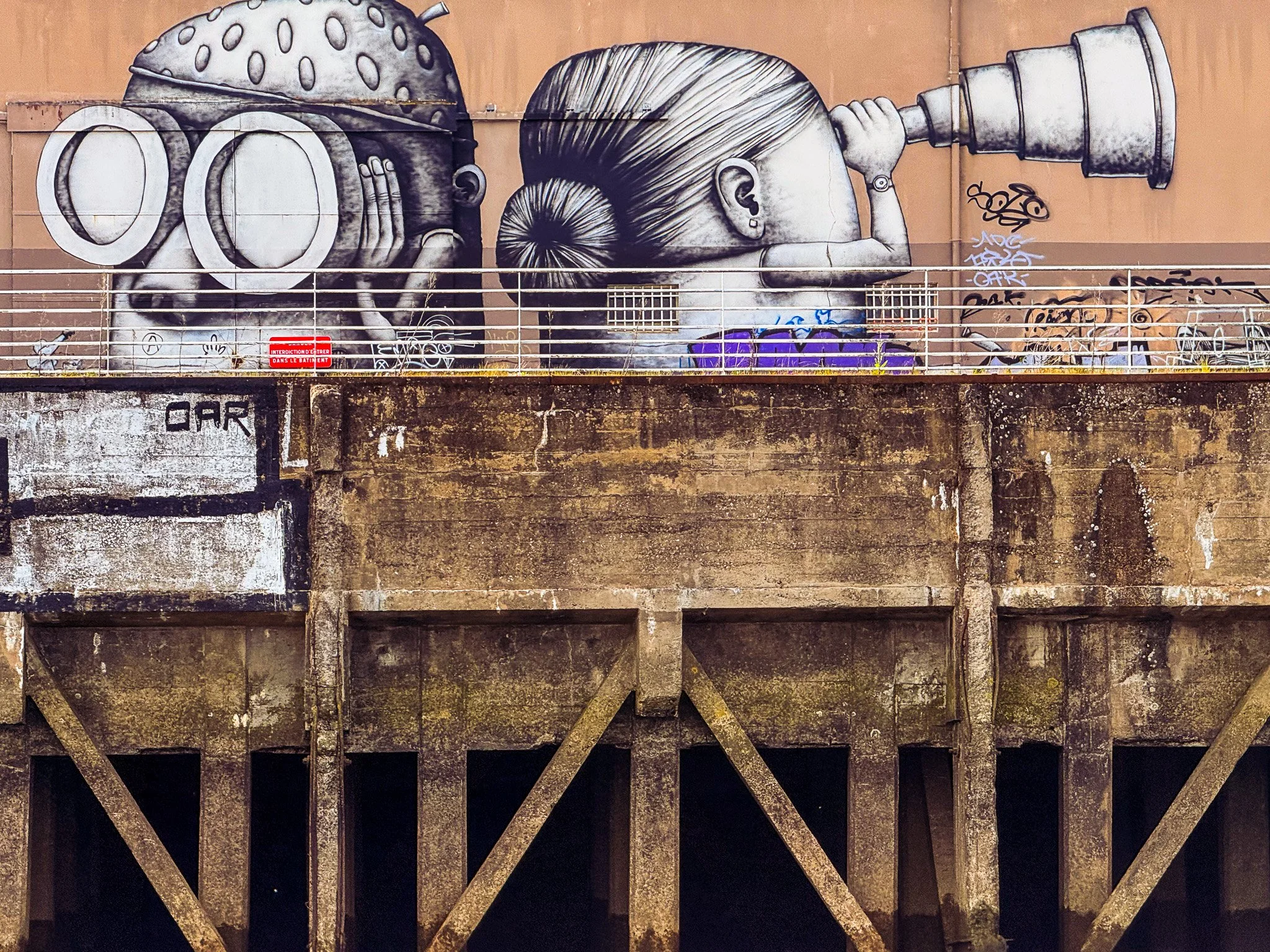
Nantes
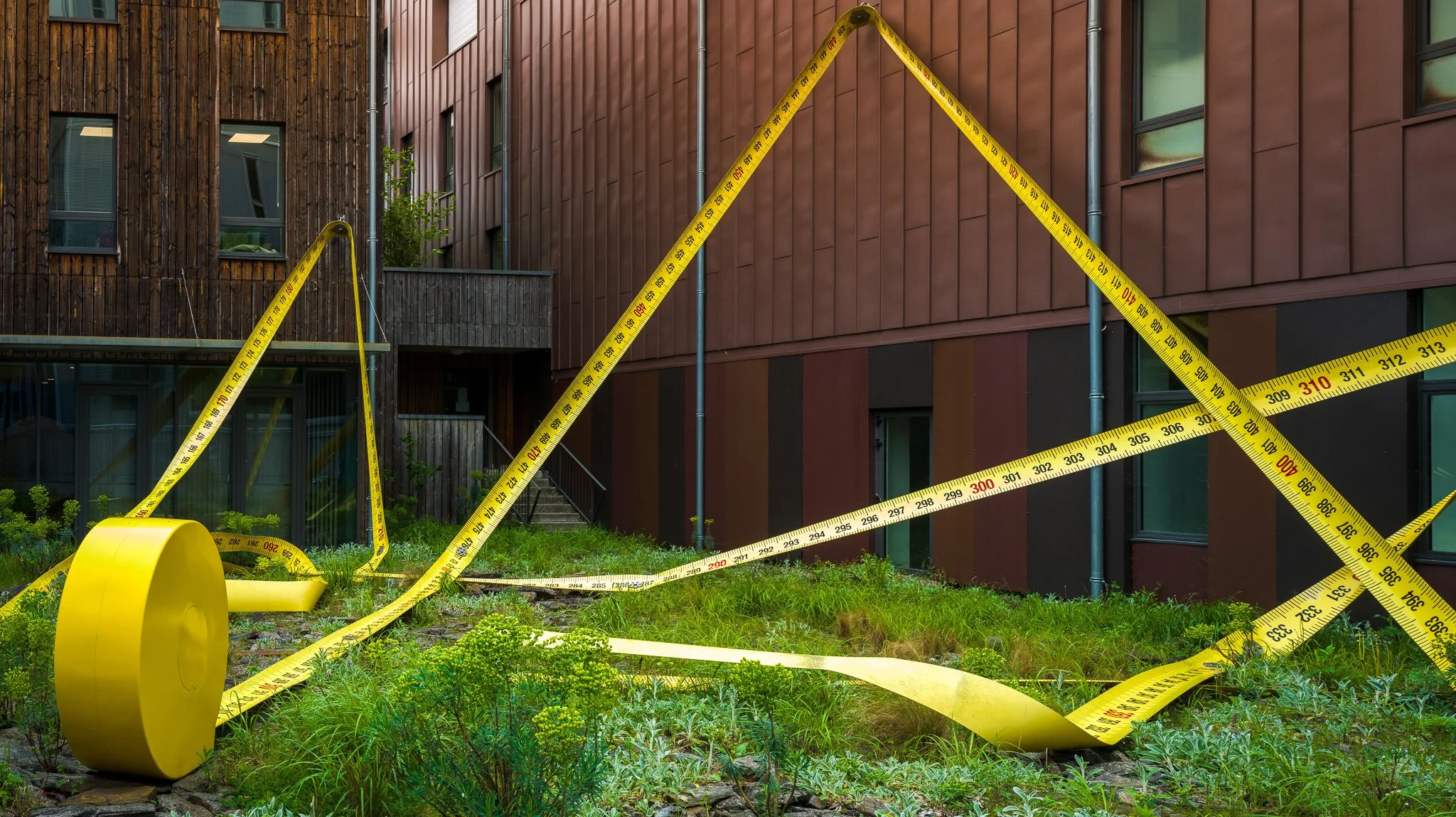
Nantes
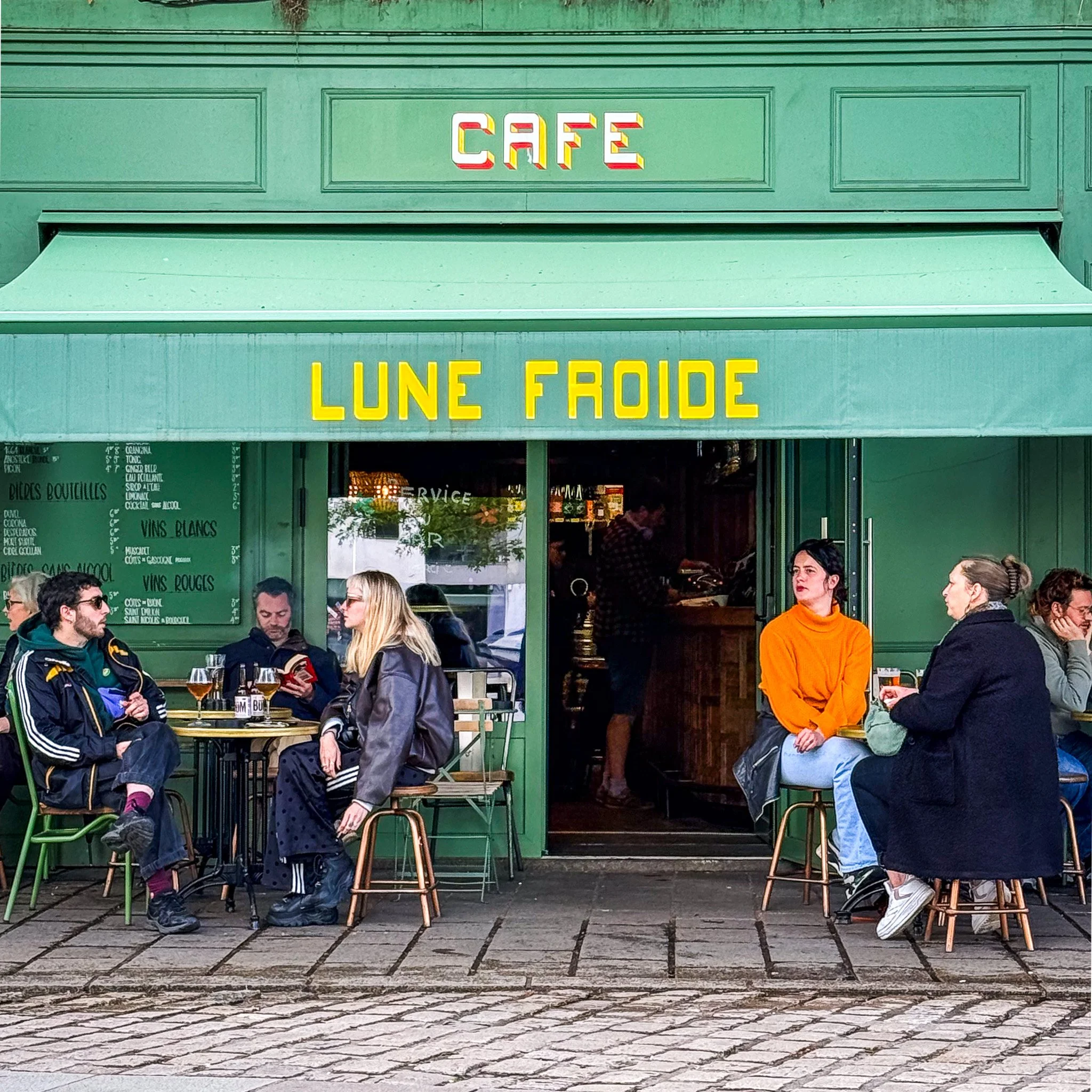
Nantes

The famous mechanical elephant in Nantes
Nantes really surprised us. It sits at the end of the Loire River at the edge of the Loire Valley wine region. It’s full of young people who are taking the city through a complete urban renewal. The once gritty town, and former slave shipping port, is now a city full of museums, modern architecture (the train station is fantastic) public art, parks, and oceans of green space, all along a beautiful wide river on its way to the Atlantic Ocean. Plus Chien-hui reached out to some people from Taiwan who welcomed us so warmly to their city and hung out with us and and showed us around. It has massive potential and probably would be our choice if we were 30 years younger where we could grow along with the city.
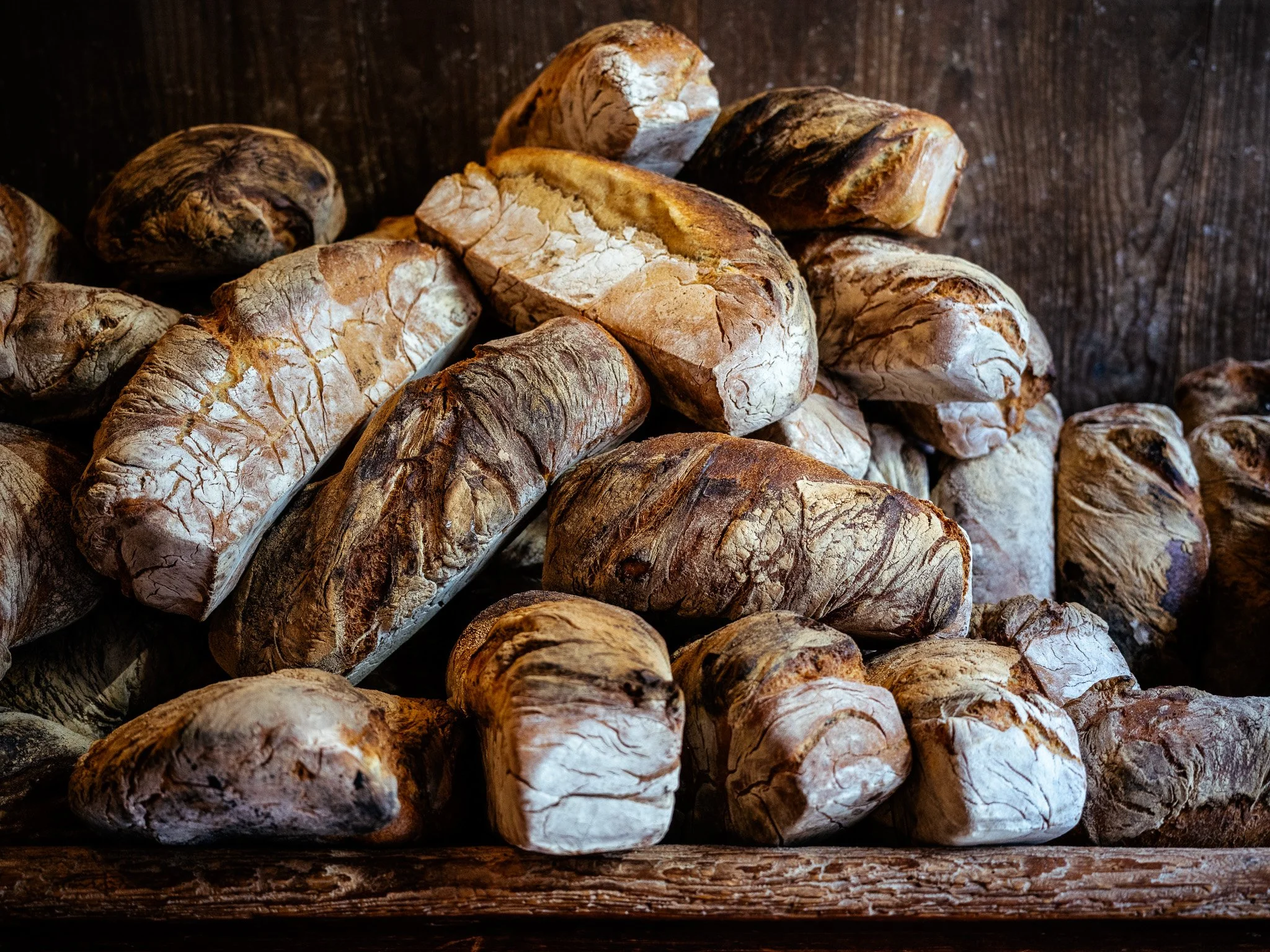
Wood-fired bakery in Bordeaux
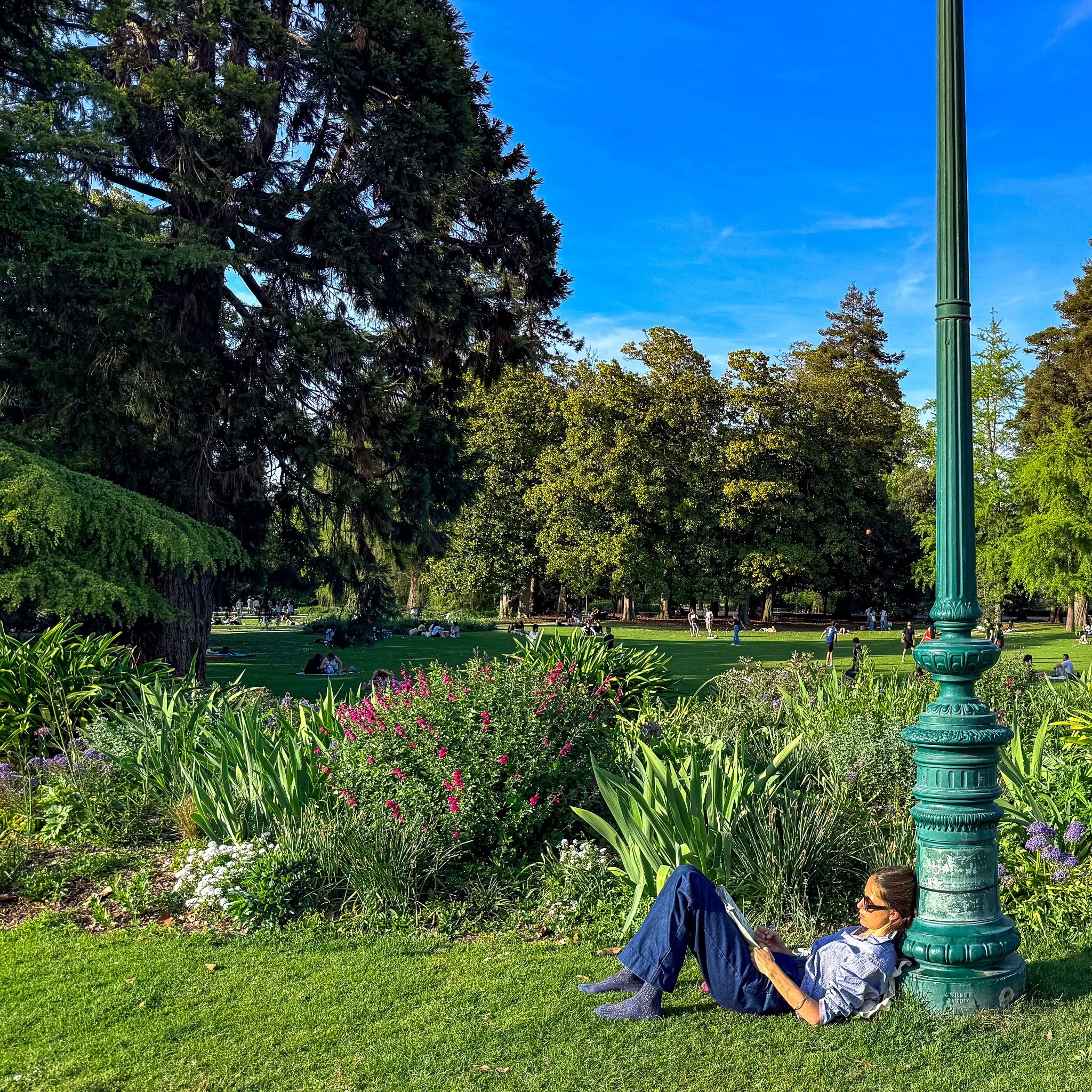
Relaxing in the Jardin Public in Bordeaux
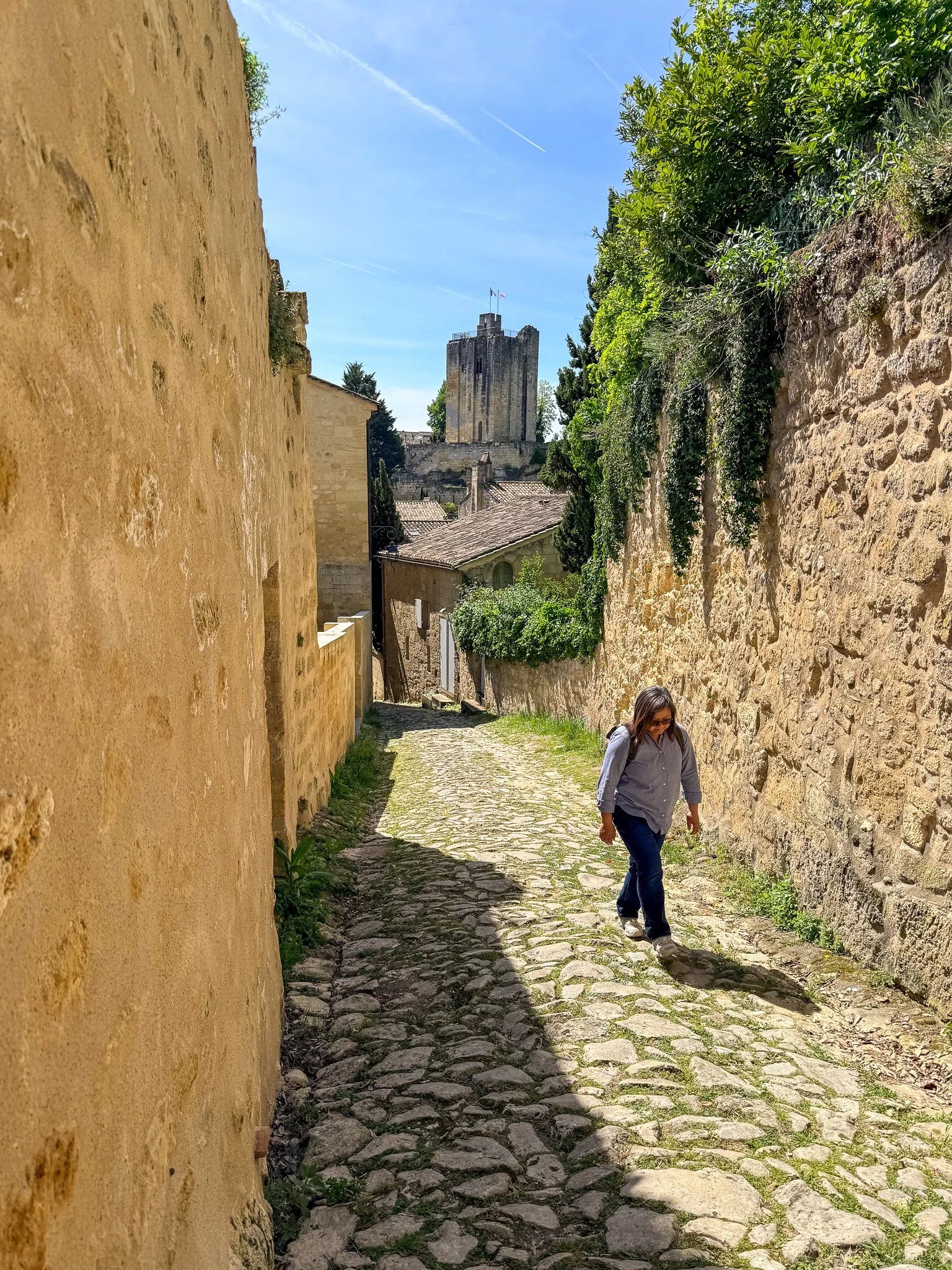
Wandering the village of St-Emilion in Bordeaux wine country
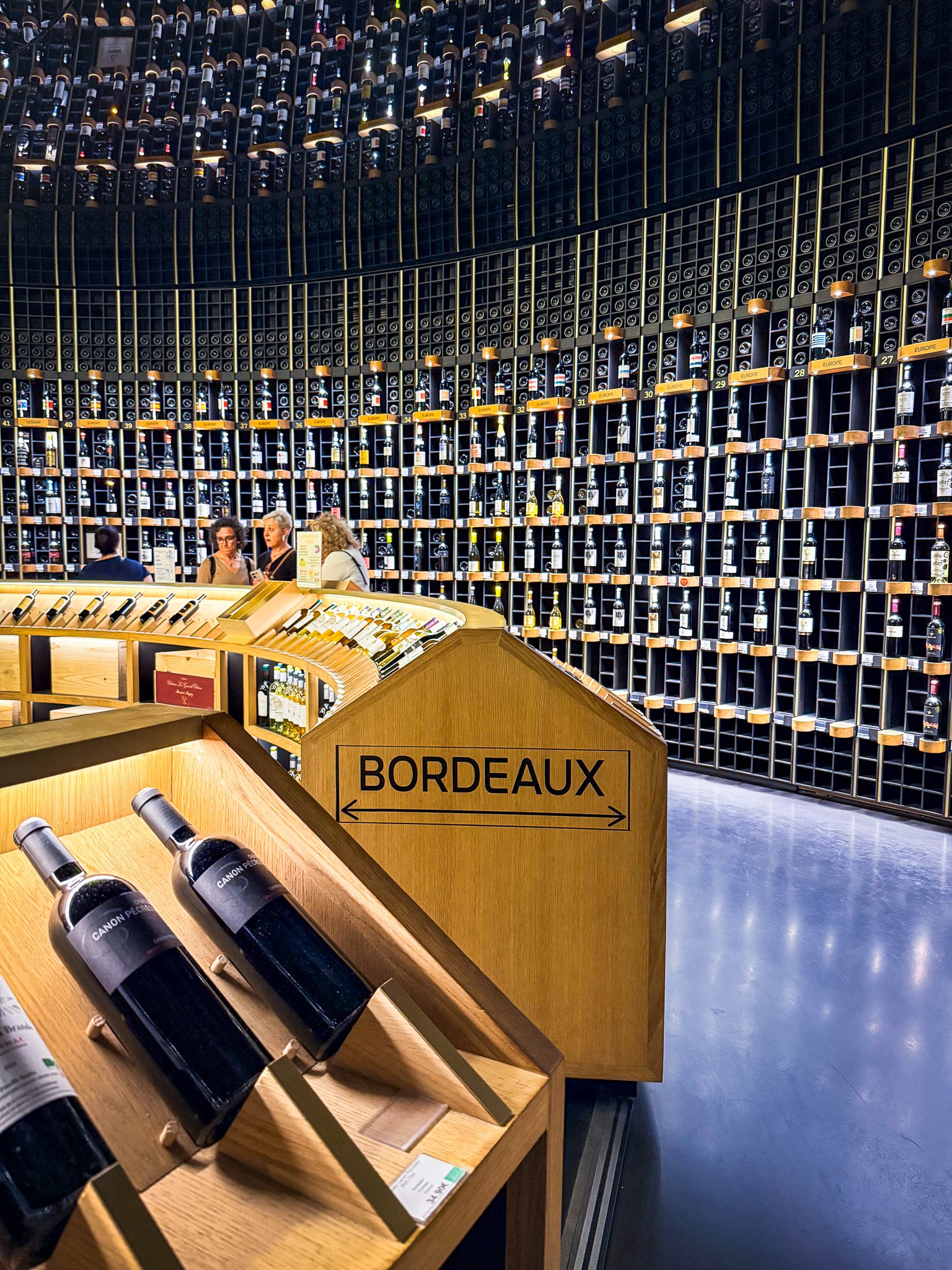
The wine shop at the Cité du Vin, the museum of wine in Bordeaux
Bordeaux is well, Bordeaux. One of the world’s greatest wine regions surrounding the city itself for miles in every direction. Also sitting on a river, the Gironde, that flows out to the Atlantic Ocean. Bordeaux has an elegance and a cool factor. It’s known as the small Paris and that is well deserved. It’s chic, and the people living there are living the good life. We spent several days in Bordeaux walking through the neighborhoods and talking to the locals. We also visited the Cité du Vin twice, which was a bucket list item for me. The food in Bordeaux is amazing and there are so many excellent restaurants. We ate a lot of great places, but one we really liked was a Taiwanese restaurant called Bui Bui, which translates to “fat, fat” but really means happily chubby, so I knew I’d love it. The owner, Marco, greeted us so warmly and it turns out he has an unmatchable wine list. We drank some amazing wine to go with our bao and popcorn chicken. We also spent a day in St-Emilion, on the right bank about a half-hour from Bordeaux by train. We walked through the picture perfect town, had an amazing lunch and wondered through the vineyards before taking the train back to the city. Bordeaux captured my heart, but I don’t think it had the same effect on Chien-hui. Ultimately, Bordeaux wasn’t going to reduce our expenses enough.
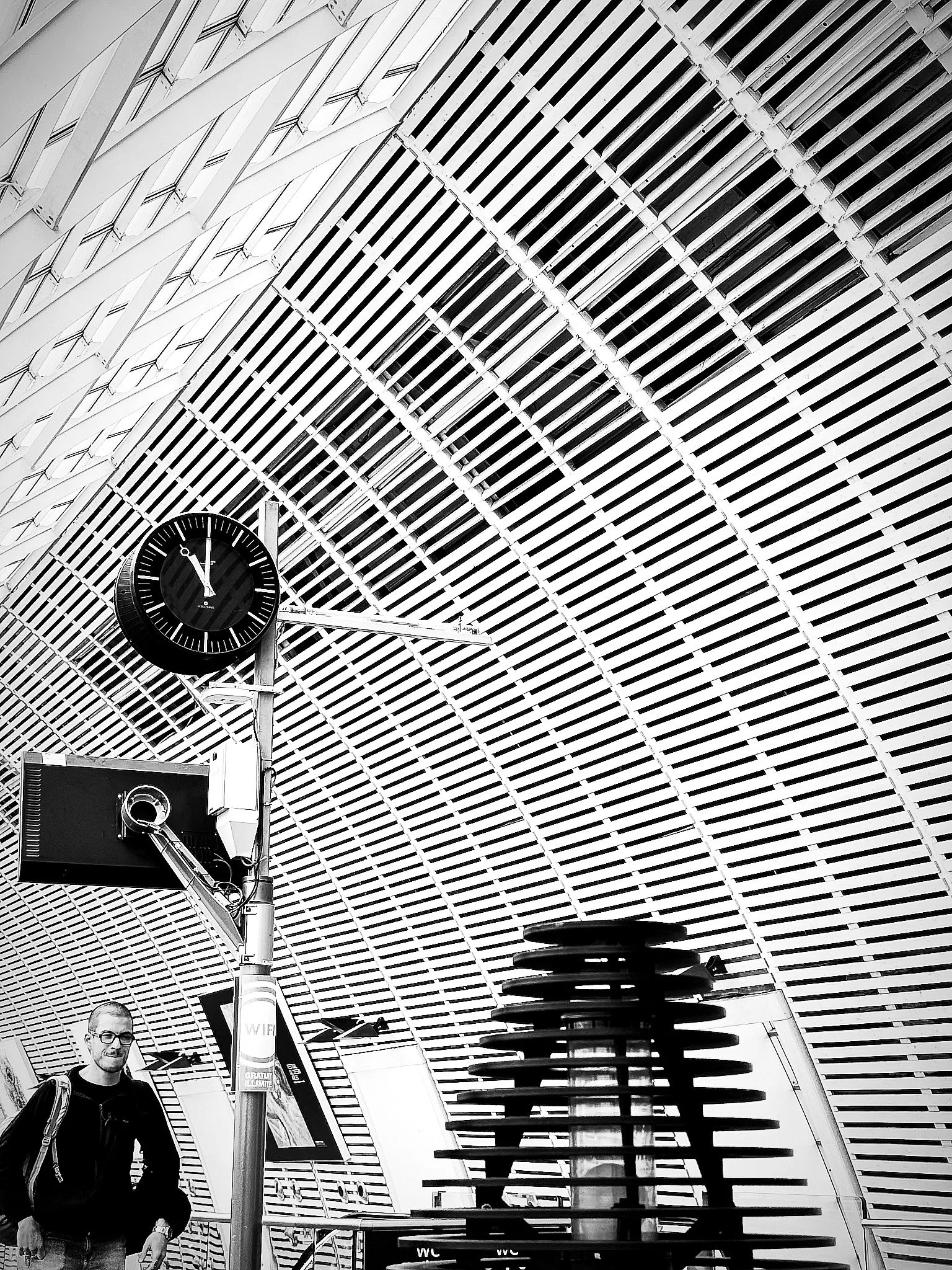
Avignon train station
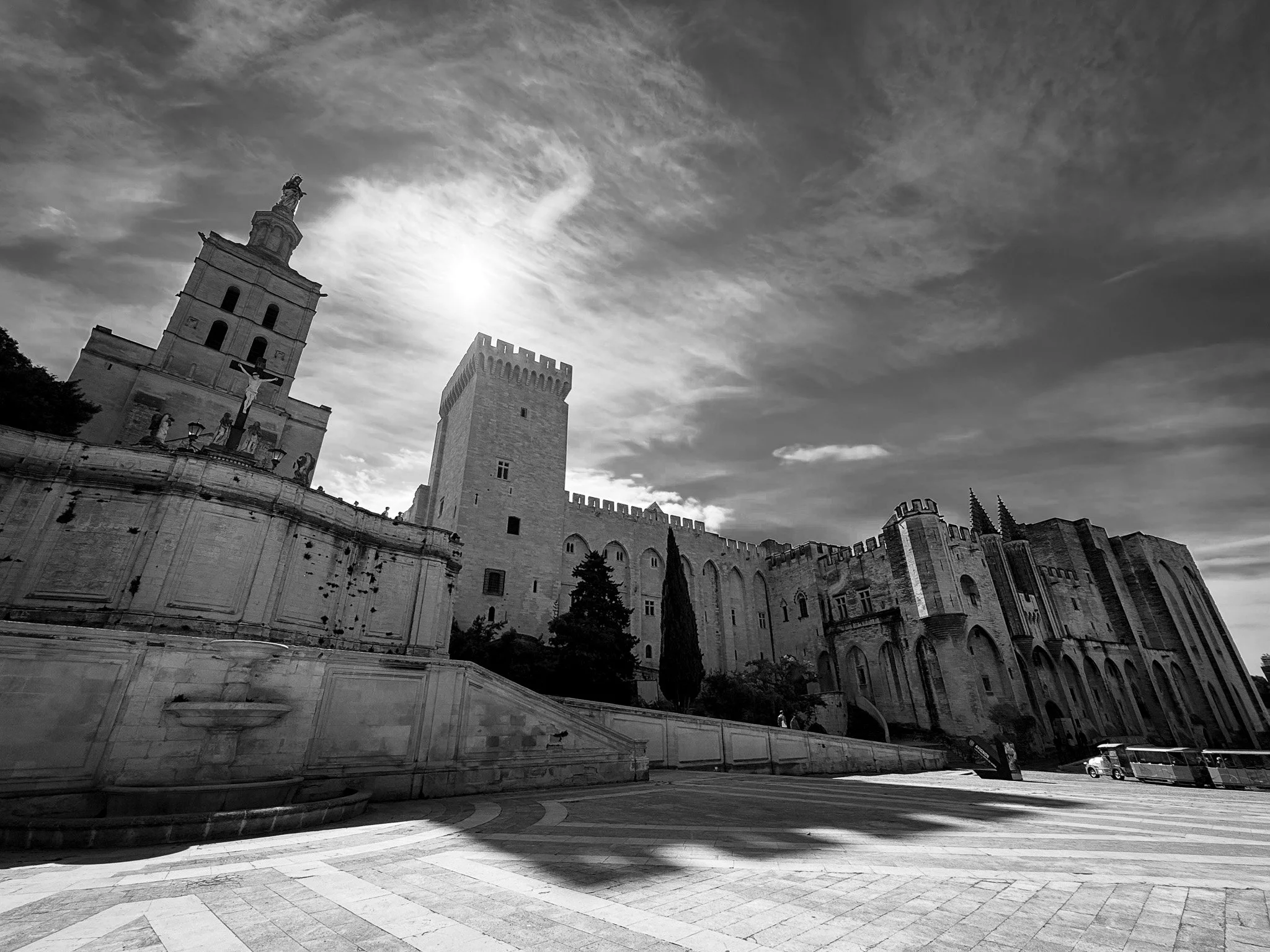
Palais des Papes in Avignon
Next was the Provençal city of Avignon, in the Rhône Valley wine area, near Chateaneuf-du-Pape. Avignon is a walled city and the famous Papal Palace is there because of the series of Popes that were installed there for 70 years beginning in the 1300s. During the schism there were Popes in both France and Italy simultaneously. We had been to Avignon three times before and we were always impressed by how walkable it was, its small but high-end shopping district, the famous theater scene, the great and very affordable wines, the huge indoor food hall, and being surrounded by so much history. Our agent arranged for an apartment viewing while we were there but the apartment was a swing and a miss. We were surprised to learn that Avignon is the second most visited place in France after Paris. It gets more visitors than Mont Saint-Michele, the Eiffel Tower, or the Louvre. The theater season brings hundreds of thousands of fans to the city, as well. The fact that the city is walled compresses everyone into somewhat of a goldfish bowl. Although it was only May, we felt it. Groups of tourists following leaders with flags, tourist trains traversing the city, packed restaurants, posters and flyers for theater shows creating a lot of visual pollution. The prices were right and the food hall was incredible, but we would have to accept that Avignon would be even more touristy than Nice.
We were sitting out at a cafe one afternoon in Avignon and struck up a conversation with an older gentleman. We asked him how he liked living in Avignon and he gave sort of a tepid answer. I took a wild chance and asked him randomly if he had any opinions about Dijon. His eyes kind of lit up and he said what a coincidence and that he have lived in Dijon for 10 years when he was younger and he said we should really look there before we make any decisions.
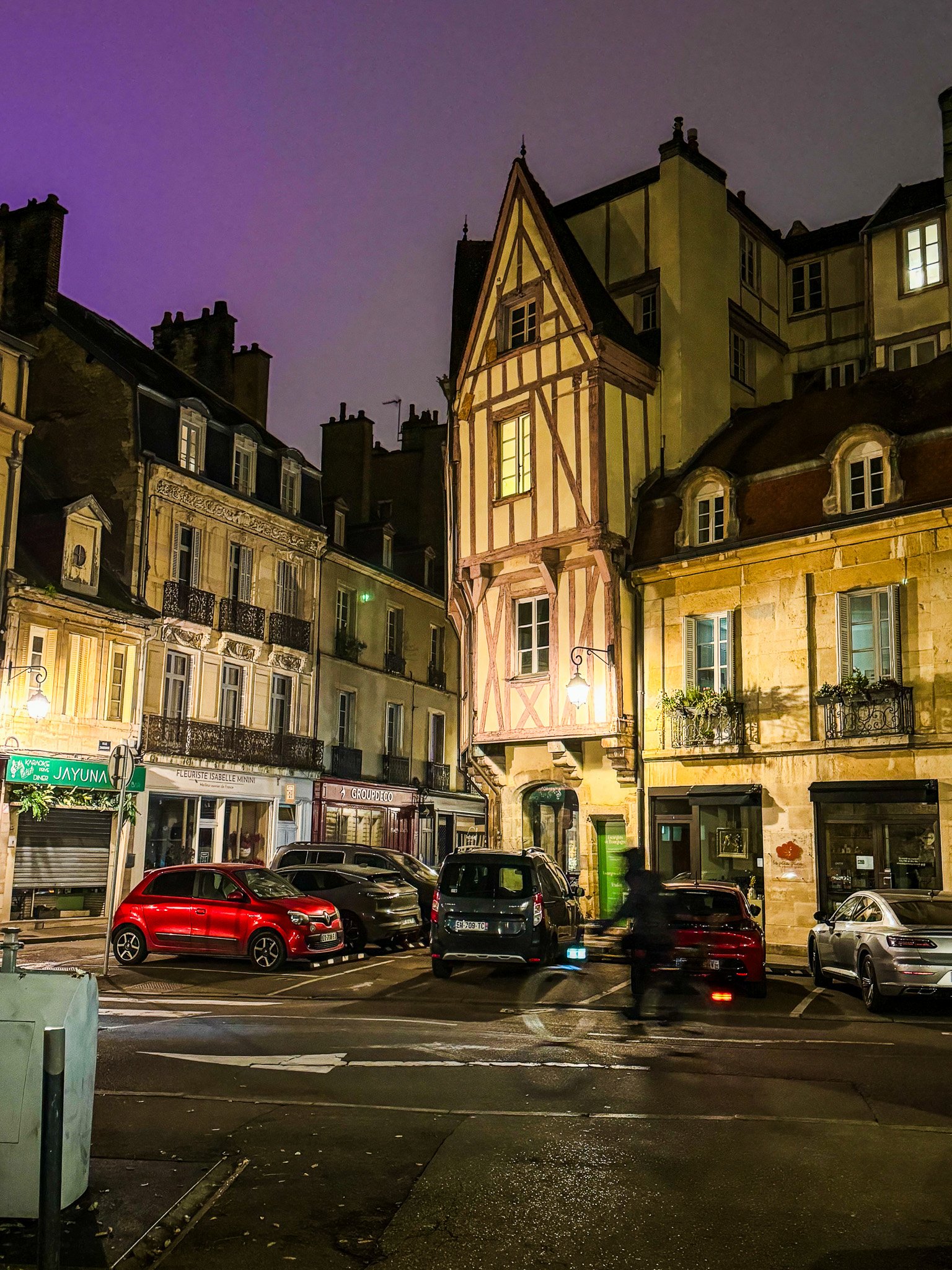
The half-timbered buildings of historic Dijon
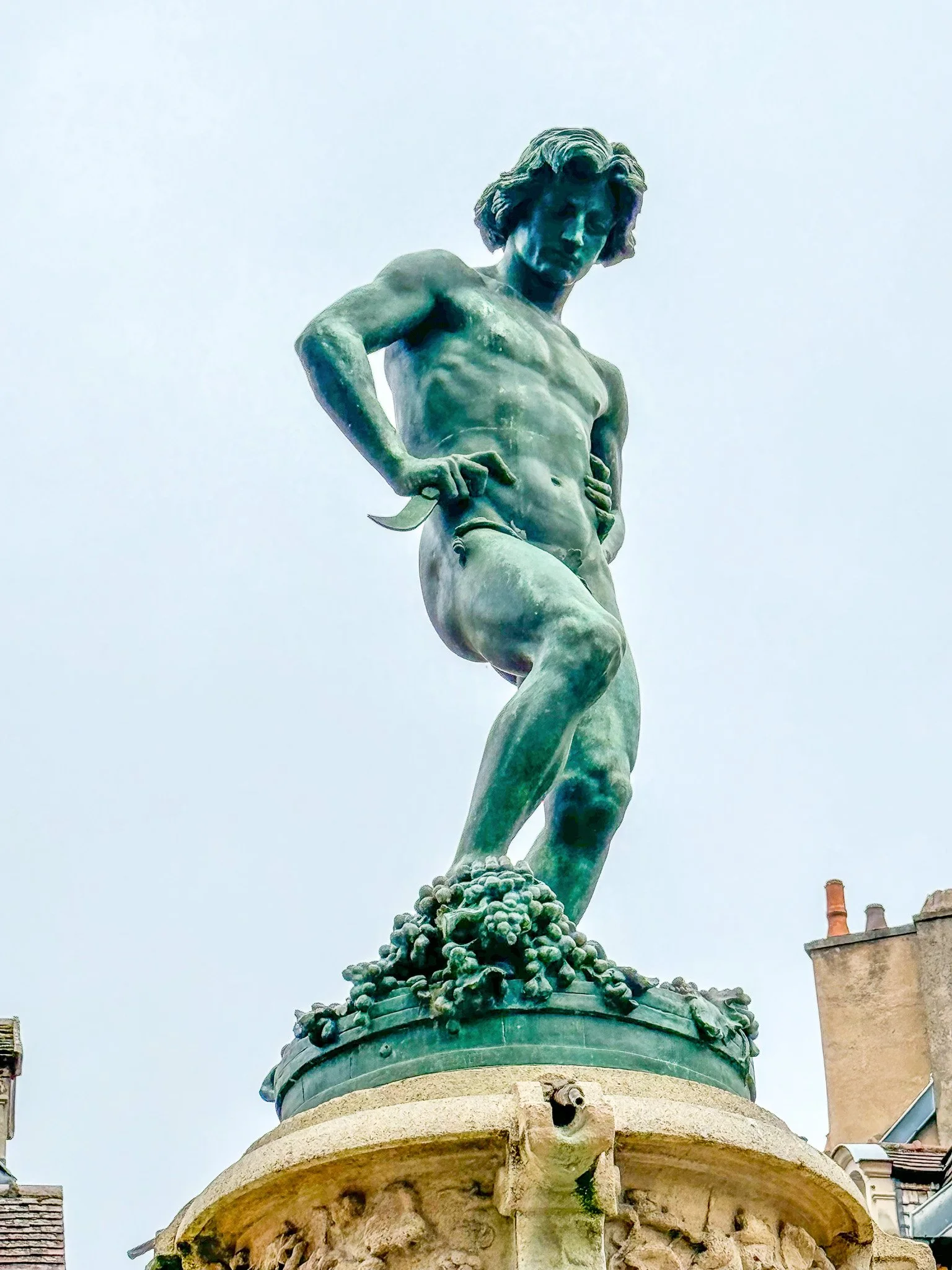
The Bareuzai, or the grape harvester, reminds us that Dijon and wine share a long history.
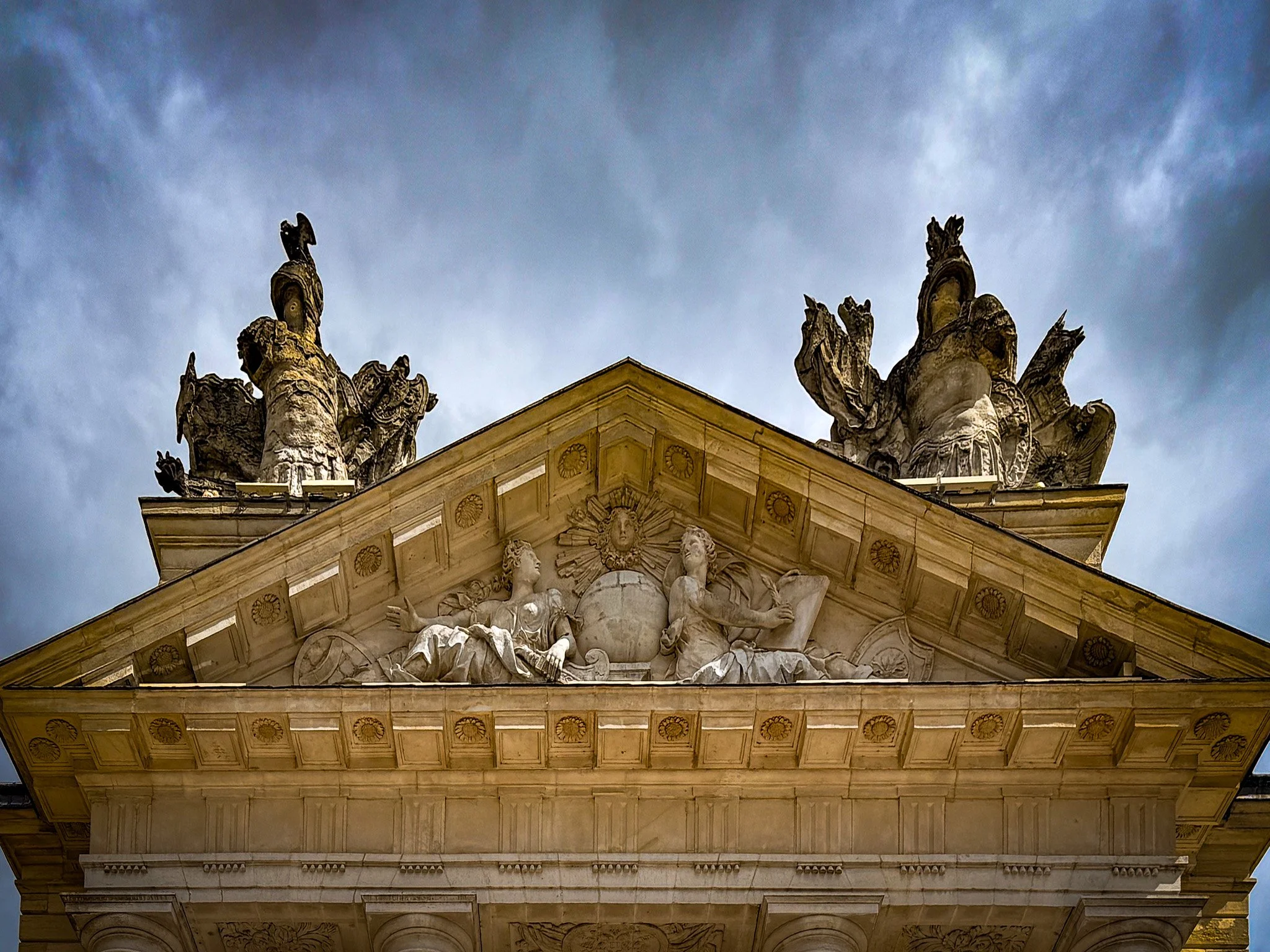
The pediment at the Palais des Ducs in Dijon
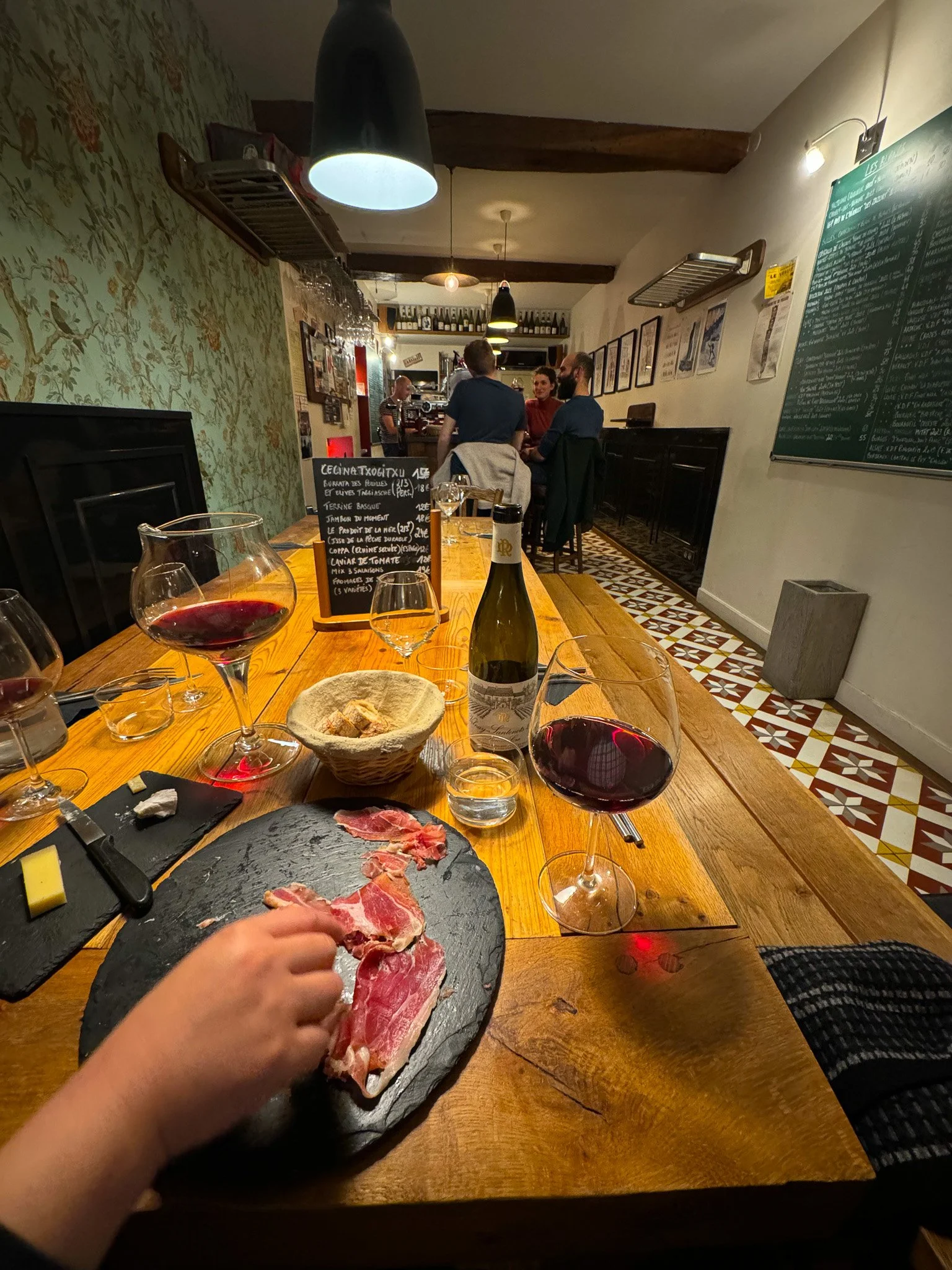
My favorite wine bar in Dijon, La Cave Se Rebiffe (The Rebel’s Cave)
So, we jumped on the train and headed back to Dijon, in the central east part of France. I say back because Dijon is almost where we almost moved before we were seduced by the sun on a trip to Nice in the winter of 2024. Dijon is the largest city, although it is a medium-sized city at 160,000 people, in Burgundy. The city itself is sophisticated, the architecture is a mix of Renaissance cross timbered buildings with modern buildings, it has a large teaching hospital, a growing tram system, and the city center is very clean and completely pedestrianized. There are parks, museums, elegant squares, beautiful shopping districts, and the best food hall in France, which is like an outdoor fresh market except it’s permanent and indoors, and will also include meat, fish, and cheese. Dijon is less than two hours by train to Paris or Lyon, and Champagne, Alsace, and Geneva are three hours. The wines from Burgundy are considered to be the finest in the world. It is the home of Bœuf Bourguignon, Coq au Vin, Escargot, Gougère, and Eggs en Meurette. This is the food one thinks of when they think of French food. After visiting the other three cities we just knew Dijon was the right place.
Our agent found us a beautiful first floor apartment pretty quickly that is considerably less than what we pay now and is also double the size of our apartment in Nice. It’s in a classic French building with 12-foot ceilings, wood floors, French doors and windows, and a very large kitchen for me to cook in, all within minutes of the city center on foot. The weather there will be far more seasonal and that is probably the biggest knock on the city. It will be definitely be more cold and gray in the winter. It really reminds us of Seattle. We will take the month of June to move our stuff, but it’s already looking like it will be a smooth transition.
There are only a few hundred Americans living in the region but they have formed expat groups that seem quite active. Our French will have to get better quickly because English isn’t as widely used there. I know Chien-hui is looking forward to attending language courses at the University of Bourgogne and I am looking forward to exploring the region’s cities and vineyards with my cameras in hand.
I am hoping I got it right this time.